
Beyond organic: What truly sustainable farming looks like
Organic food is often spoken about as the gold standard for sustainable farming. But what does that actually mean in practice?
As businesses place greater emphasis on sustainability, ESG and responsible procurement, it's becoming increasingly important to understand where food comes from and the systems behind it. Truly sustainable food isn't just about reducing environmental impact. It's about protecting soil, supporting biodiversity, building resilient supply chains and ensuring farmers can continue producing high-quality food for generations to come.
We spoke to our long-standing supplier,Langridge Farm, about what sustainable farming really looks like, why provenance matters and the challenges facing British growers today.
What first drew you to organic food, and what keeps you committed to it?
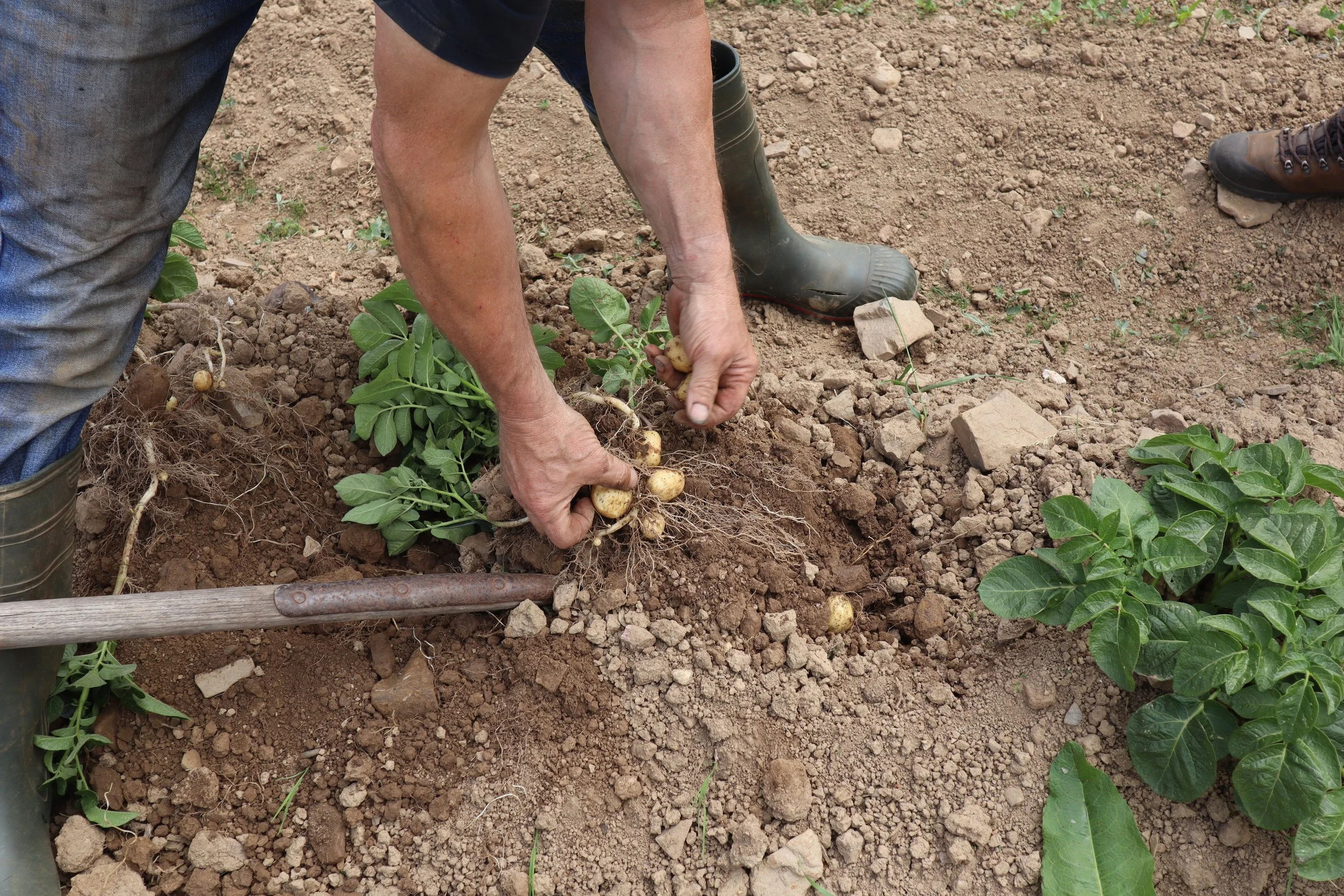
It really stems from Alex’s grandfather not seeing the need to adopt the use of chemical fertilisers and herbicides post World War 2. As a farmer in Devon he saw what he already did as working. This same ethos was carried on by his son Bernard, Alex’s uncle, when he bought Langridge Farm in 1969 and started growing vegetables for the local market in and around Crediton in Mid-Devon. Ever since starting Langridge Organics as a wholesaler we have only ever traded in Organic. It is what we do and the reason we exist.
Organic certification is often used as a shorthand for sustainability. From your position in the supply chain, is it really that simple?
We believe that it is more than shorthand for sustainability. We don’t believe that the word sustainable can or should be used when referencing conventional agriculture. So for us organic is the definition of sustainable growing.
When you assess a new grower, what tells you they are farming well, beyond the certification itself?
You can only learn so much from on boarding forms and supplier questionnaires Nothing beats visiting the grower and understanding their business and why they have chosen that path. By knowing that a grower is growing organically for the ‘right ‘ reasons and that their ethos aligns with ours we can be much more confident in them as a supplier.
Healthy soil is widely described as the foundation of sustainable farming. What does that look like in practice on the farms you buy from?
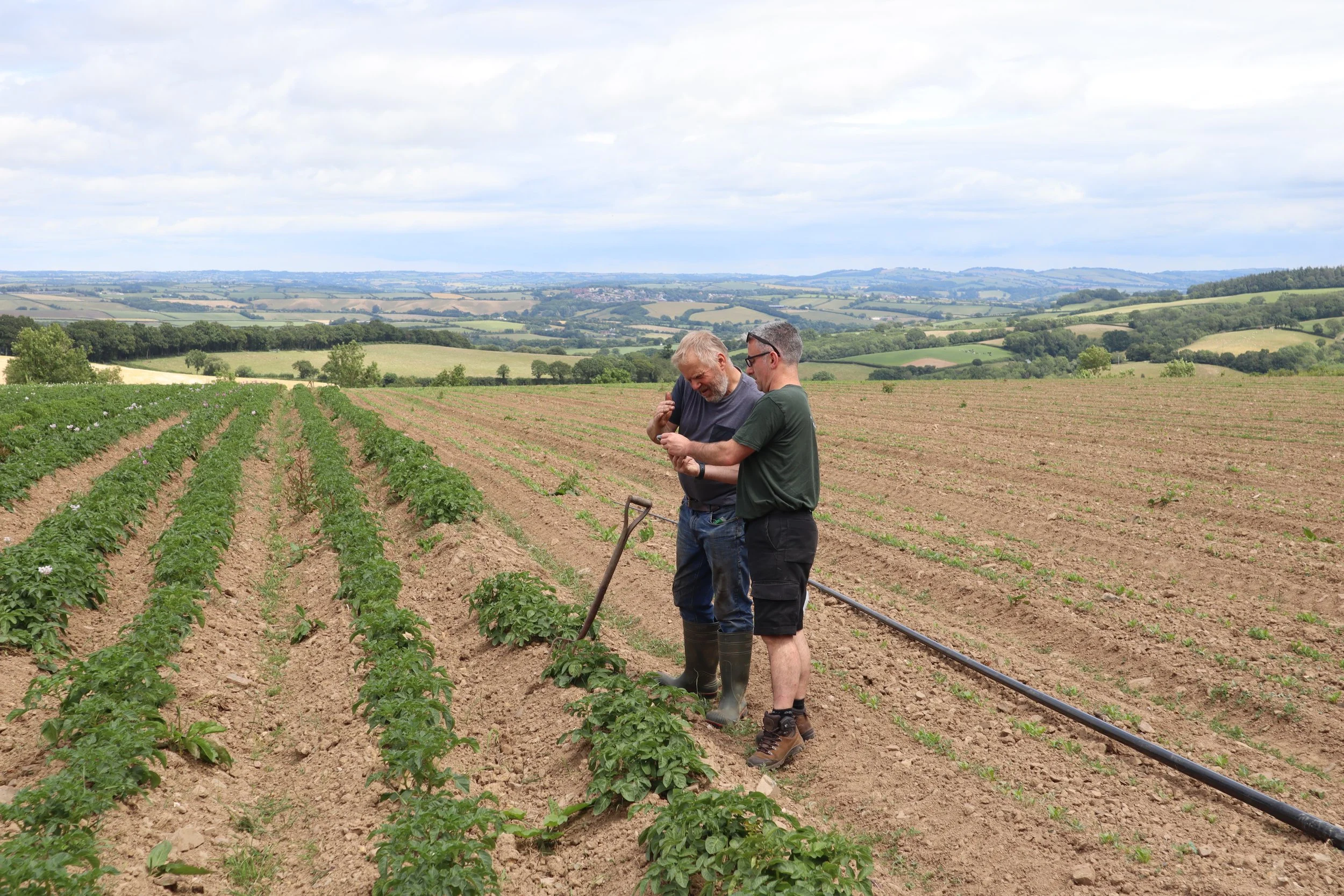
It all starts with the soil and it is something the regen movement have made a lot of noise about but if you think about it, it is in the name. It is not called the Soil Association for no reason.
Every organic grower has to look after and build on the health of the soil. Without doing so they simply will not be able to keep on growing.
Provenance matters a great deal to us. Why should businesses care where their food comes from?
Why would anyone buy food not knowing where it comes from? It seems a strange concept to have become normalised. It is not easy for us to all know where every last carrot we buy is produced but by working with trusted supply chains and the Organic legal framework we can be very confident in our supply chain.
You see buyer demand before most people do. What has changed in what buyers are asking for, and is it affecting what growers choose to plant?
It is certainly something that changes over time. There are obviously always blips if something trends on Social Media or if Yotam Ottolenghi cooks with something but overall trends are relatively easy to see and yes we adjust growing volume every year based on this.
Fair pricing is rarely discussed openly. What is the effect on a grower when they are squeezed on price?
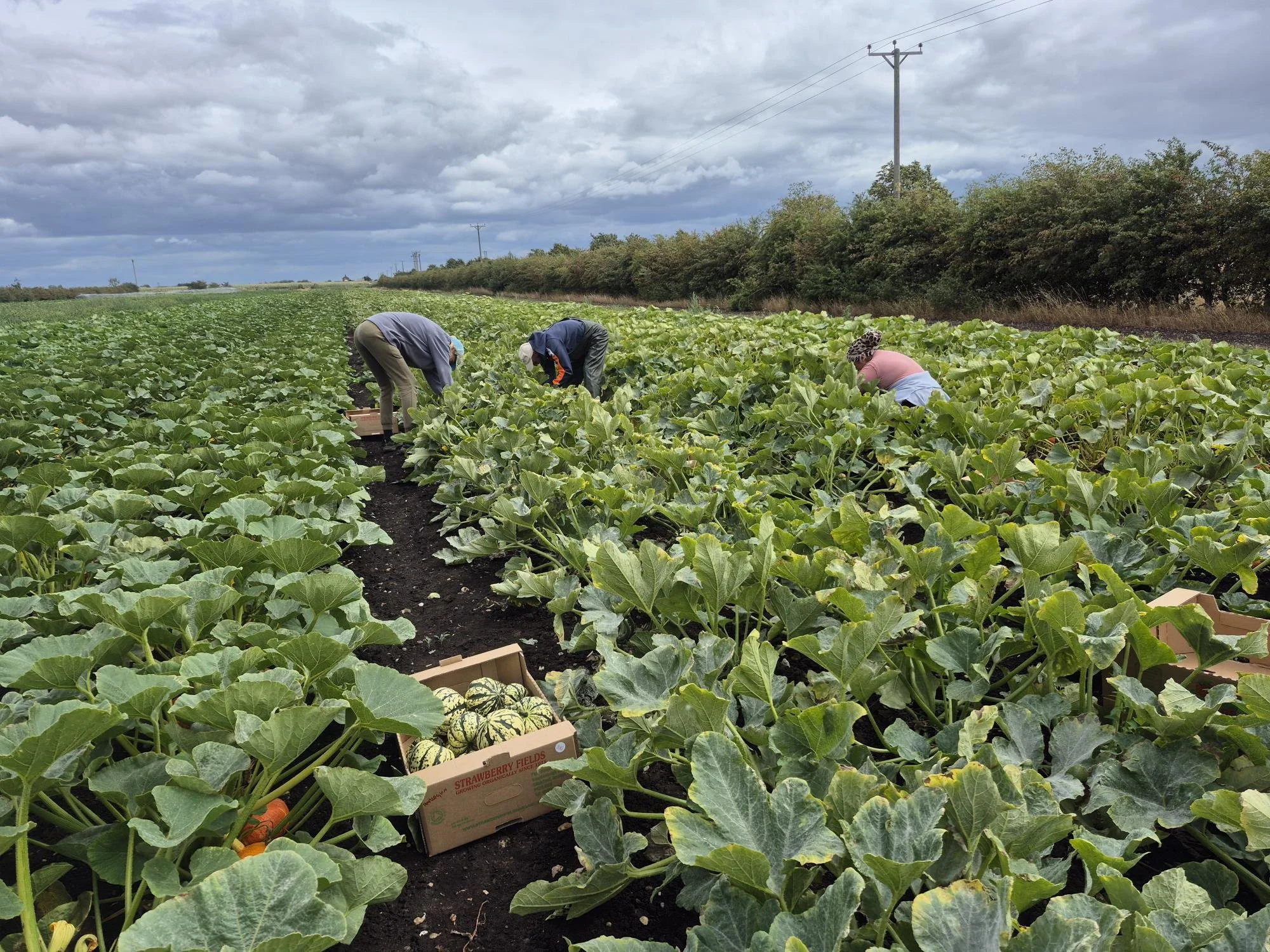
The constant challenge of a wholesale operation such as ours, customers want the best price and growers need to make a living so they will grow produce again next year. It is a constant conversion we have with our growers. We rarely fix a price with a grower for a full season without discussions from time to time. Our job is to make sure growers are not squeezed to bursting point and that our customers understand the value in our supply chain.
What are the most significant pressures facing the growers you work with today?
As at the time of writing, water, but even with this unprecedented drought we are experiencing the weather is always the biggest challenge. Farmers are extremely resourceful and seeing how they are constantly evolving how they farm is always inspiring.
What gives you optimism about the future of British farming?
We are able to offer our growers and supply chain which means they can make money and have the confidence to plan ahead. Probably two of the most essential things for a grower to be able to do. If growers are optimistic and confident then so are we.
What is the one thing you wish everyone ordering food for their workplace understood about sustainable farming?
What the word sustainable means and how that should be applied to farming. A system of farming that allows you to keep doing what you are doing year after year without damaging the planet. Doing this without the unnecessary use of irreplaceable resources.
To quote from the Cambridge dictionary: "using methods that do not harm the environment, deplete natural resources, or exhaust systems, allowing them to continue over a long period."
It is sort of in the word.
Why this matters at Pow Food
At Pow Food, we believe that better food starts long before it reaches the plate. It begins with the farmers who care for the soil, the suppliers who prioritise transparency and the long-term relationships that make resilient food systems possible.
That's why we choose to work with trusted partners like Langridge Farm. Their commitment to organic farming, healthy soils, fair relationships with growers and complete supply chain transparency reflects our own belief that truly sustainable food should support both the health of people and the health of the planet.
As the conversation around ESG, workplace wellbeing and sustainable procurement continues to evolve, understanding where our food comes from has never been more important.