
Can the Food System Be Sustainable If It's Not Sustaining Health?
On 24 June, during London Climate Action Week, we pulled up a chair at the Blue Earth Forum for a conversation that we believe is long overdue. Around the table: a nutritionist, a chef, a regenerative produce supplier, sustainability data experts, and ESG advisors. The question anchoring everything: where does human health fit within the sustainability agenda?
The answer, it turns out, is closer to the centre than most organisations currently treat it.
"Can the food system truly be sustainable if it's not sustaining health?"
Clarissa Lenherr, Nutritionist, Pow Food
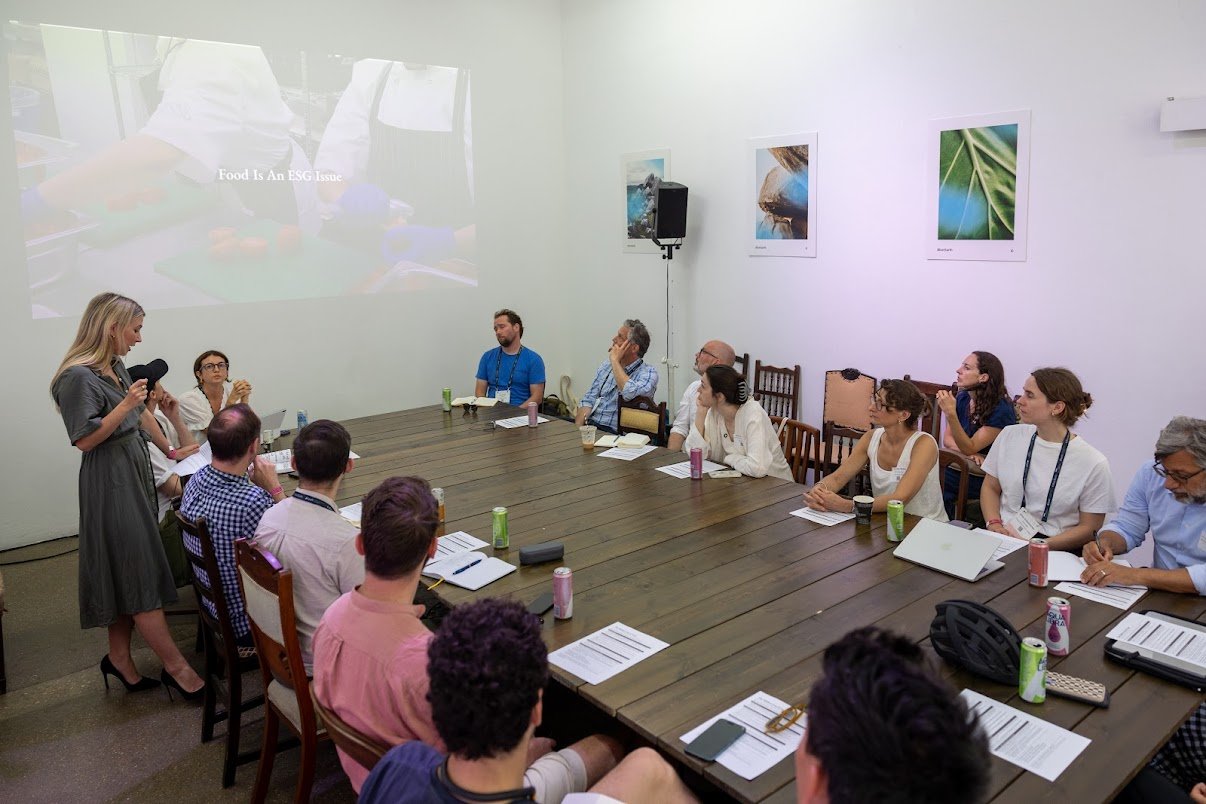
The $12 Trillion Blind Spot
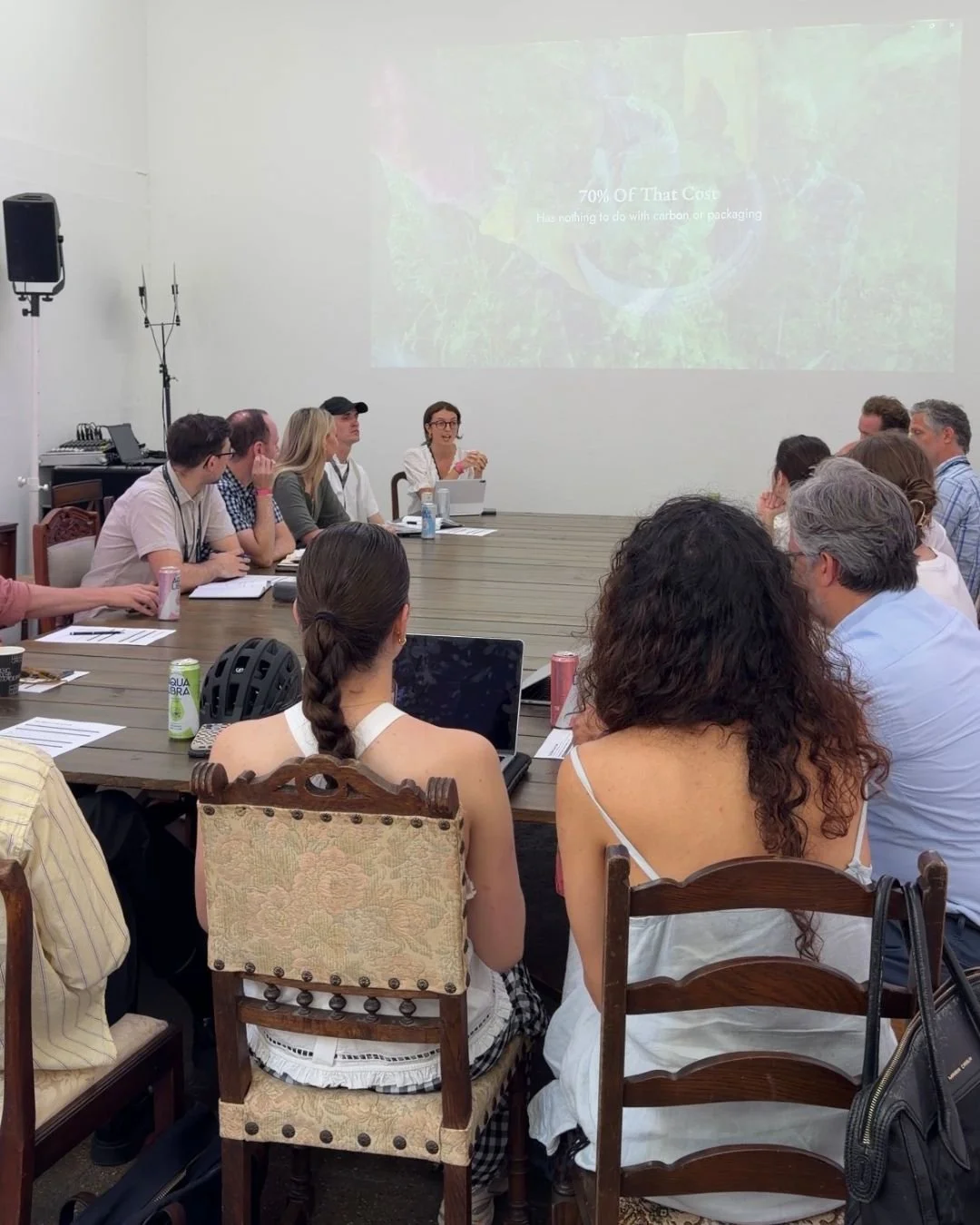
The FAO estimates the hidden cost of the global food system at around $12 trillion a year. Roughly 70% of that cost is health-related, not environmental. We have built sophisticated frameworks for measuring carbon, water, and biodiversity. We have barely begun measuring what the food system does to the people who eat it.
That single figure reframes nutrition as a sustainability and ESG issue. Not a wellbeing perk, not a facilities decision, a material risk.
The Human Cost You Can't Invoice
Clarissa opened by making the case at a human level. Poor food doesn't arrive as a line on a balance sheet. It arrives in workplaces as fatigue, caffeine dependency, digestive issues, chronic inflammation, and cognitive underperformance. These are modifiable conditions — and food is one of the few daily variables an employer has meaningful influence over.
Fibre was a telling example. Ninety-six percent of people don't get enough of it. It has one of the lowest environmental footprints of any food group and one of the highest long-term impacts on health. The gap between what's good for us and what we're actually eating isn't a mystery — it's a systemic failure.
The room also pushed back on an assumption that often goes unchallenged: that plant-based equals healthy. Clarissa was clear. Low-carbon and nutritious are different axes. Many plant-based options are ultra-processed — better for the planet's books, worse for the body's. Organic crops consistently show higher antioxidant levels and lower pesticide residues. And the research linking pesticide exposure to chronic disease risk is growing in both quality and board-level relevance.
What Regenerative Supply Actually Looks Like
Harry Dyer from Shrub brought the supply chain into sharp focus. Extraordinary organic and regenerative produce exists in the UK. But the structural barriers — fragmented logistics, conventional wholesale pricing, organic certification costs — mean it rarely reaches professional kitchens.
Shrub's model works directly with small-scale farms in south-east England: 100% traceable supply, guaranteed pricing, and joint planning seasons ahead. It also runs at roughly three times the cost of a conventional wholesaler. That's not a criticism — it's the honest price of doing this properly. And it's a cost that needs to be understood, not hidden.
Climate change is already reshaping the growing calendar in ways that demand better data and deeper soil health. Strawberries three weeks early. Raspberries ahead of schedule. The farms best equipped to cope are those with the biodiversity and soil structure that regenerative practices build over time.
What Change Looks Like in the Kitchen
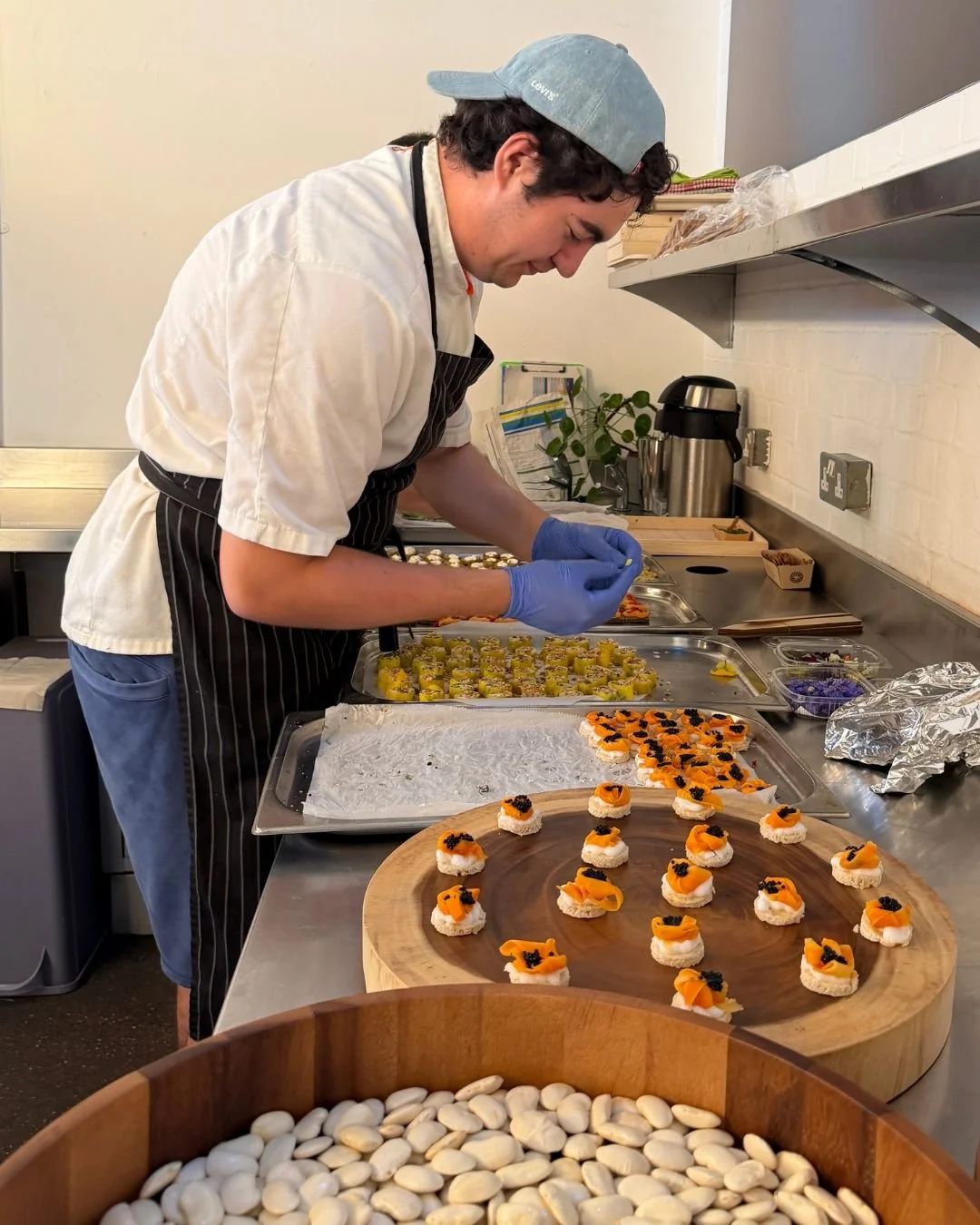
Our chef Jack addressed what this means in practice, inside a working kitchen. Kitchens run on systems, muscle memory, and tight margins. The answer isn't to ask people to abandon everything they know. It's to make better versions of the things they're already cooking.
Cold-pressed oils instead of refined vegetable oils. Scratch cooking the basics rather than relying on pre-processed ingredients. The economics of scratch cooking are the key mechanism: it costs less per portion than buying processed equivalents, which frees up budget for better-quality and organic sourcing. And once employees start noticing how different they feel eating properly, they become invested — which begins to shift their choices outside work too.
Food as a Disclosed Material Line
David Stelfox from Kafoodle and Matthew Isaacs from MyEmissions brought the Scope 3 picture into focus. Food falls into supply chain emissions and can account for between 5 and 22% of a company's total footprint, depending on how catering and business travel are counted. Under UK Sustainability Reporting Standards, mandatory Scope 3 reporting is already required for larger companies. Food is now a disclosed material line.
Carbon, though, is still the only metric infrastructure has been built around. Nutrition, provenance, and human health outcomes are not yet in the frameworks. We measure planetary health carefully. Human health, barely.
Christoph Geppert from Menzies LLP closed the formal provocations with the regulatory context. Net zero commitments require 90% actual emissions reduction — not offset. Food cannot be removed from that calculation. The practical entry point he offered: organisations don't need to overhaul their entire supply chain on day one. They need to start measuring, ask harder questions of their caterers and procurement teams, and treat food as a sustainability lever rather than an operational afterthought.
What the Room Kept Returning To
The open discussion ranged widely. A few threads generated particular energy.
School Food
The question of bringing regenerative supply into UK state schools generated the most heat. Budget, procurement rules, kitchen infrastructure, and deeply entrenched habits were all raised. The government's school meals review is currently open for consultation responses.
National Security
One attendee reframed food as a national security issue — the vulnerability of supply chains, the dependence on imports, and the strategic case for domestic regenerative agriculture that sits beyond the sustainability conversation.
Food Waste
Emissions from food waste run at roughly 6–7% of global totals. A representative from the Global Food Banking Network flagged waste as a significant missing thread in most sustainability frameworks.
The Cost Argument
The room challenged the idea that healthy food is inherently expensive. The counter: the true cost of cheap food is paid later — by the NHS, by employers in absenteeism, by individuals in chronic disease. Price in those costs, and the economics shift entirely.
Personalised Nutrition
The possibility of using individual health data alongside food data to design genuinely personalised dietary interventions was raised. The data exists. The integration doesn't yet.
Intergenerational Knowledge
The erosion of practical cooking skills and cultural food habits. Education was raised as a lever that needs to operate simultaneously at schools, workplaces, and policy level.
The Questions Worth Taking Back
The session ended without resolution — which was the point. These are not questions with easy answers.
But the choices we make about food begin with asking better ones. Where does this ingredient come from? How was it grown? Who does our food system serve? If responsibility for workplace food is shifting from facilities and HR onto sustainability and ESG teams — often without budget or framework to match — then these questions are no longer optional.
Food is one of the few daily interventions an employer fully controls. The conversation on 24 June was about what it would mean to take that seriously.
If the conversation sparked something, keep going.
A few of the organisations working to change the system from the ground up:
Soil Association — Cut the Chemicals
Campaigning for stronger action to reduce pesticide use and phase out glyphosate as a pre-harvest drying agent.
Riverford Organic — Ban Glyphosate
Supporting the campaign to end pre-harvest glyphosate use and encourage more nature-friendly farming.
A youth-led movement campaigning for a fairer food system, healthier school food, and stronger action on junk food marketing.
Let's keep this conversation going.
If anything from the session sparked something you're already working on — or a question you didn't get to ask — we'd love to hear from you.