
Lower Footprint Eating in Winter: Why It Matters More Than Ever
Winter isn’t typically associated with sustainability. Shorter days, colder temperatures and reduced UK crop availability often lead organisations to rely more heavily on imported produce, carbon-intensive foods and convenience-led choices.
But winter is exactly the time when your food choices, at home and at work will have the biggest opportunity to reduce environmental impact. At Pow Food Catering, we design every menu around low-carbon principles, using seasonal ingredients and regenerative suppliers to support both planetary health and employee wellbeing.
Here’s why lower footprint eating matters so much in the winter months, and how simple, delicious choices can make a meaningful difference.
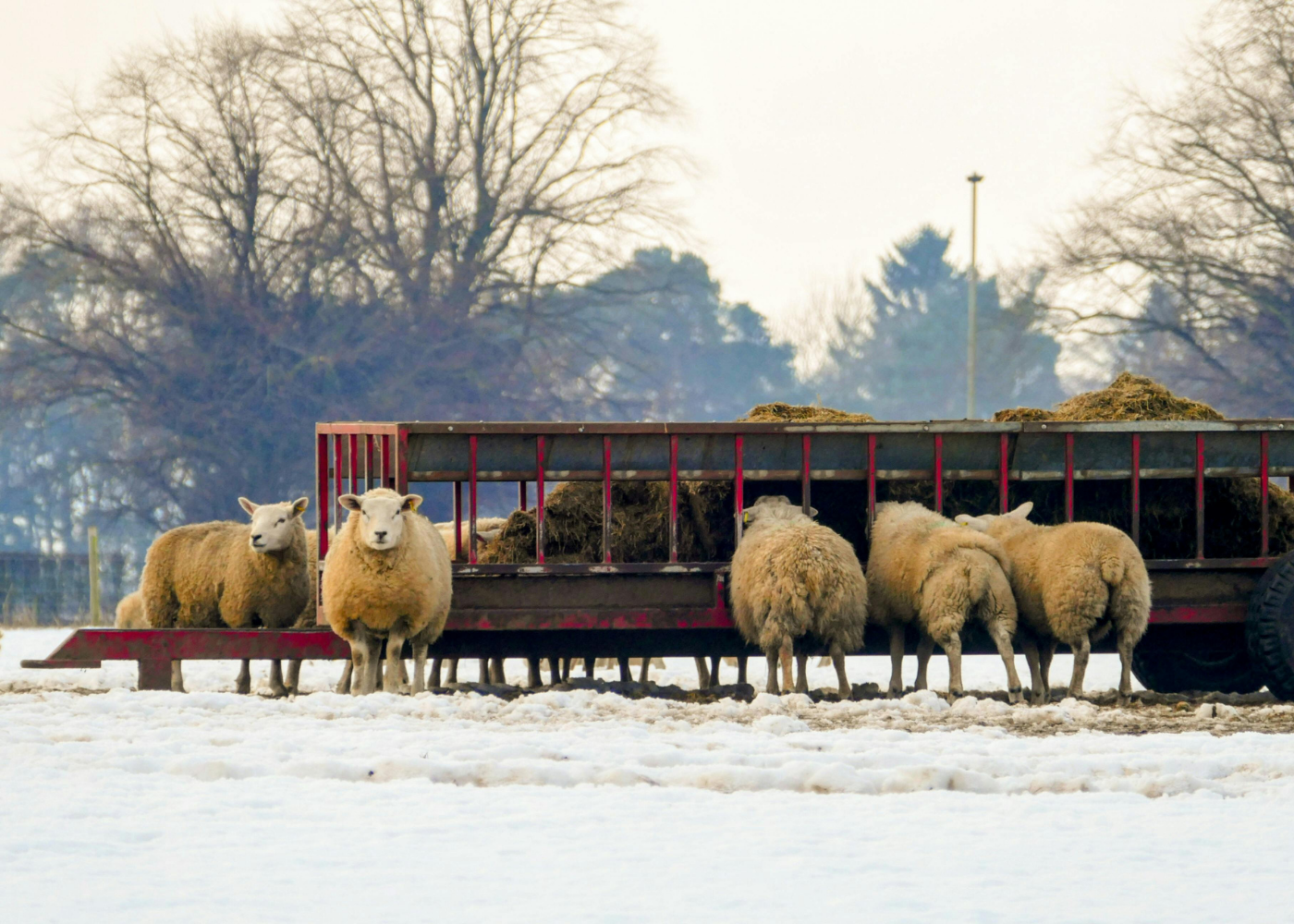
1. Winter Is When Food Miles Spike… Unless We Make Better Choices
When UK fields slow down, the demand for imported produce increases. Items like soft berries, salad leaves, tomatoes and exotic fruits often travel thousands of miles to reach kitchens in December to February.
This means:
Higher transportation emissions
Greater reliance on heated greenhouses abroad
Reduced nutrient density from longer storage times
The solution is to shift to seasonal UK grown winter produce, think roots, leeks, squash, mushrooms, apples and pears. These not only taste better in winter but carry a fraction of the carbon impact.
At Pow Food, our winter menus prioritise cold season vegetables and UK grown proteins to keep food miles minimal.
2. Seasonal Winter Food Is Naturally More Nutrient Dense
Winter produce is full of the nutrients teams need most for colder, darker months:
Vitamin C: kale, Brussels sprouts, red cabbage
Folate & fibre: root vegetables, lentils, beans
Antioxidants: winter greens, beetroot, squash
Immune support: garlic, onions, mushrooms
Lower footprint = higher nourishment.
Fresh, local crops picked at the right time retain more micronutrients, supporting immunity, energy and mental clarity in the workplace.
3. Lower Footprint Proteins Make a Huge Difference
Protein is the single biggest driver of dietary carbon impact.
Winter is an ideal time to centre lower-carbon proteins such as:
Lentils
Beans
Pulses
Seasonal fish
Tofu and tempeh
Regeneratively farmed UK poultry
At Pow Food, we balance menus with mixed protein sources, combining sustainable plant proteins with high-welfare animal proteins for flavour and function without unnecessary environmental cost.
4. Comfort Food Can Still Be Climate Conscious
Winter comfort dishes don’t have to be heavy, expensive or carbon intensive.
Through smart chef and nutritionist collaboration, classics can be re-imagined:
Root vegetable mash instead of imported white potatoes
Lentil and mushroom bases replacing part of beef in pies and stews
Seasonal herb oils instead of out-of-season garnishes
Squash purées and roasted brassicas adding warmth and depth without added carbon load
Lower footprint eating isn’t about restriction, it’s about creativity and clever swaps.
5. Winter Is When Sustainability Values Stand Out
Employees are more dialled into health, wellbeing and purpose-led companies than ever before.
Offering lower footprint, seasonal, nutritious meals in winter signals:
Environmental stewardship
Employee wellbeing investment
Transparency and integrity in sourcing
Support for local growers and regenerative suppliers
At Pow Food Catering, these values are at the heart of everything we serve, from carbon-tracked menus to Future Forest peatland restoration, Notpla packaging and zero-waste operational systems.
6. Choosing Low Carbon Food in Winter Has a Ripple Effect
When organisations model sustainable food choices during the toughest season, it creates long-term change:
Teams learn that delicious, nourishing food doesn't need a high footprint
Seasonal eating becomes normalised
Procurement shifts toward local, regenerative suppliers
Food waste drops significantly
Carbon impact reduces meal by meal, day by day
Winter becomes a catalyst — not a setback — for sustainable food culture.
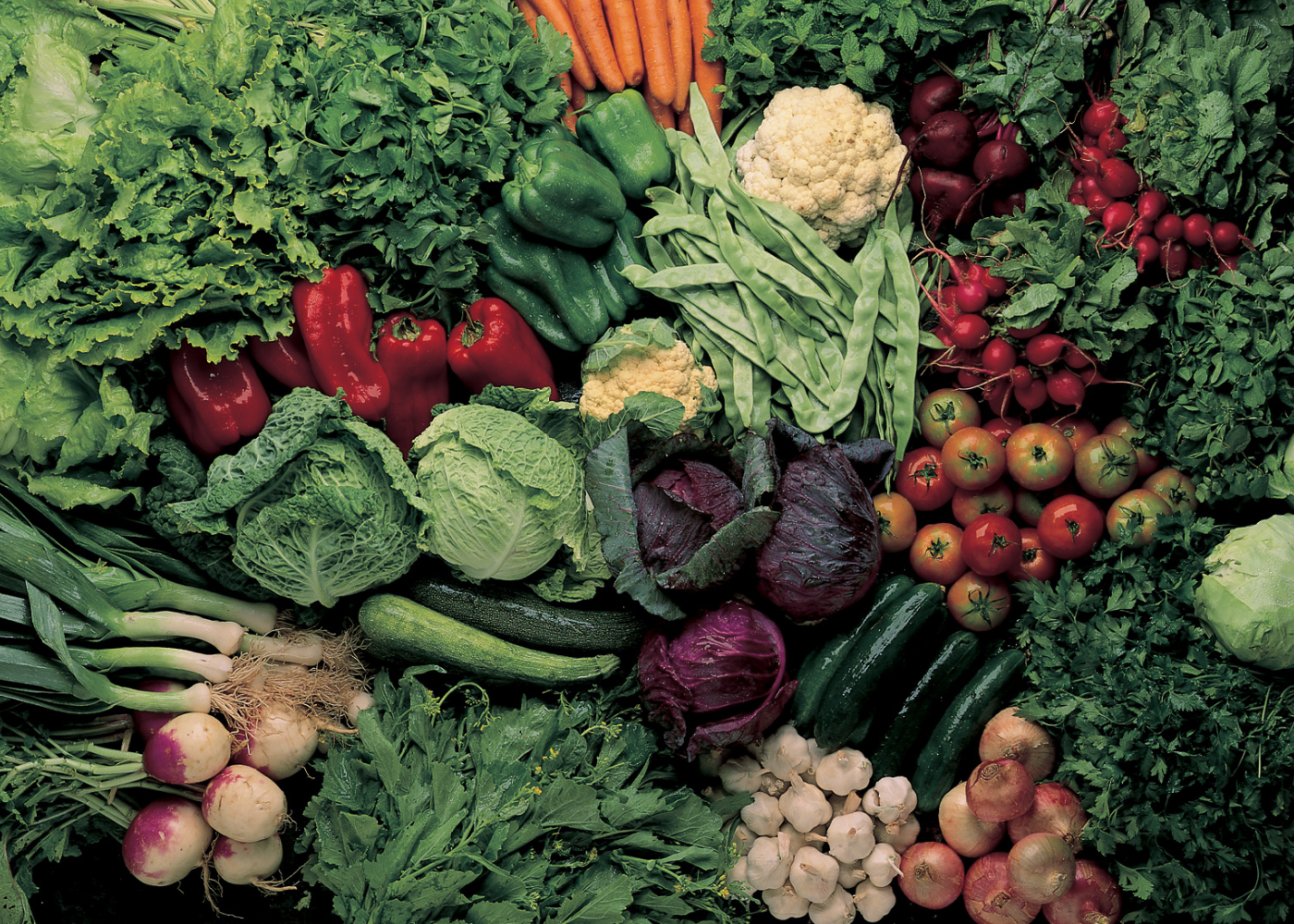
How Pow Food Catering Leads the Way
At Pow Food, our winter menus are built around:
Seasonal, UK-sourced ingredients
Regenerative & high-welfare suppliers
Nutritionist-designed cold-weather meals
Carbon-conscious proteins
Zero-waste, compostable packaging (Notpla)
Balanced comfort foods designed to nourish and sustain
From hearty winter bowls to slow-cooked stews, functional salads, warming soups and plant-forward plates, every dish is designed to reduce environmental impact and boost employee wellbeing.
Lower footprint eating in winter isn’t just a sustainability choice, it’s a wellbeing, flavour and responsibility choice. With the right approach, businesses can nourish their teams, support local growers and drastically reduce their environmental impact during the highest-footprint season of the year.
Winter is when sustainable food matters most and when it delivers the biggest wins.