
Case Study: How the Blue Earth Summit Redefined Sustainable Food Service
Feeding 4,000 People and fuelling a movement: How the Blue Earth Summit and Pow Food set a new standard for sustainable food service
Across UK workplaces and conferences, sustainability and wellbeing have become business imperatives. From meeting net-zero targets to improving employee retention and productivity, how organisations feed their people now speaks volumes about their values.
At the 2025 Blue Earth Summit, Pow Food showed how nutrition-led, low-carbon catering can nourish both people and planet, serving over 4,000 attendees with food across different service levels that drove focus, connection, and measurable carbon savings.
This white paper explores how rethinking the “real cost” of food - beyond price - can help businesses reduce emissions, improve wellbeing, and transform food from a cost centre into a strategic asset.
The Real Cost of Food
The true price of food is measured not only by its cost, but through its impact on human health, productivity, and the planet.
UK farmland contributes around 12% of national greenhouse gas emissions (DEFRA, 2024).
Diet-related illness costs the NHS over £6.5 billion a year and contributes to 64,000 preventable deaths (Public Health England, 2023).
A 2024 study published in Foods (Basel) reported an alarming global decline of up to 50% in the nutritional quality of foods, warning that this trend poses a serious challenge for future generations’ health.
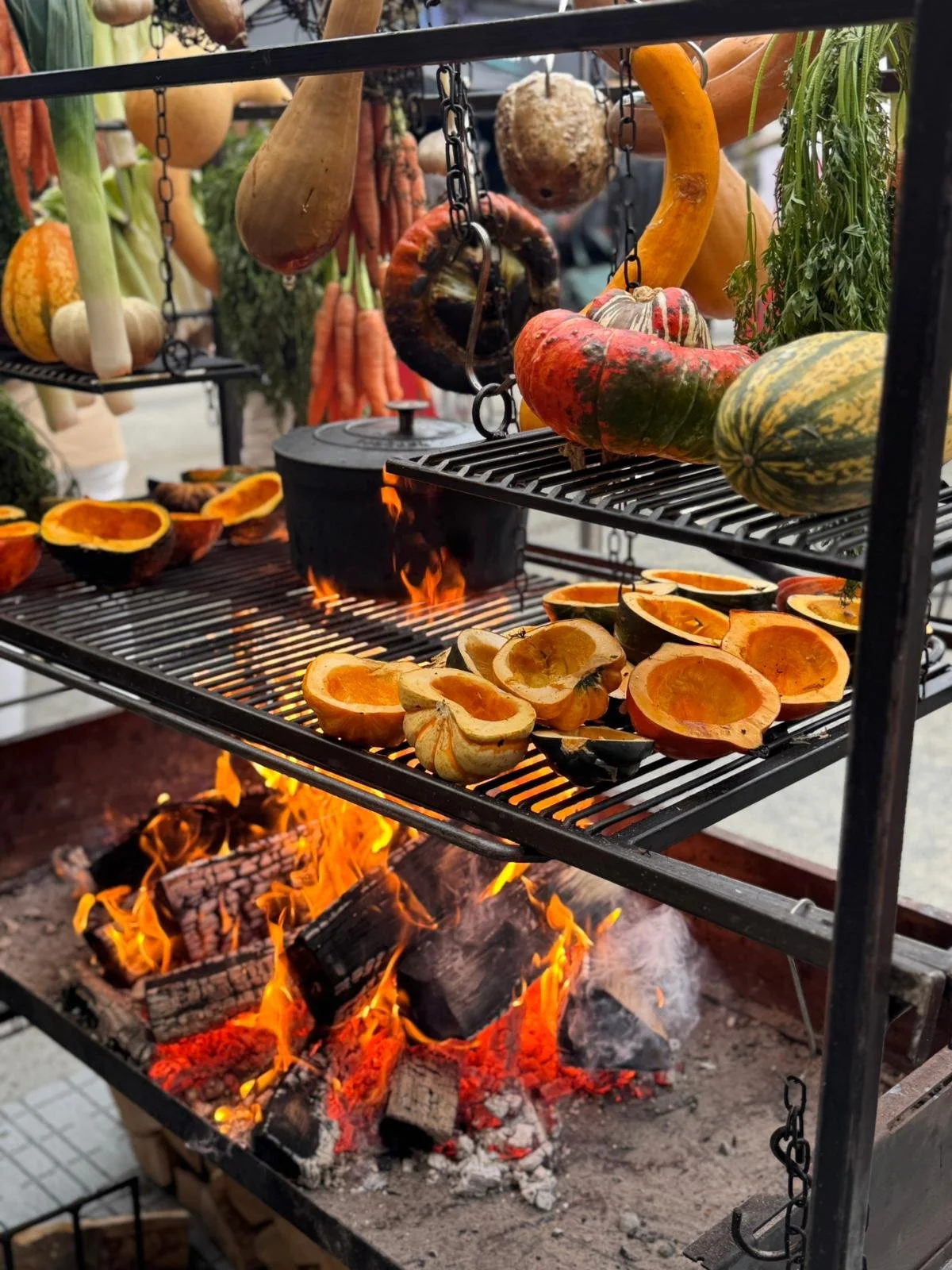
Modern food systems favour shelf life over soil life, driving falling nutrient density and ecological decline. Pow Food challenges this model by valuing meals as investments in human and environmental capital, sourcing regeneratively, designing nutritionally intelligent menus, and reducing waste through circular operations.
For UK organisations, this shift reframes catering as a measurable contributor to carbon reduction, ESG impact, and employee performance.
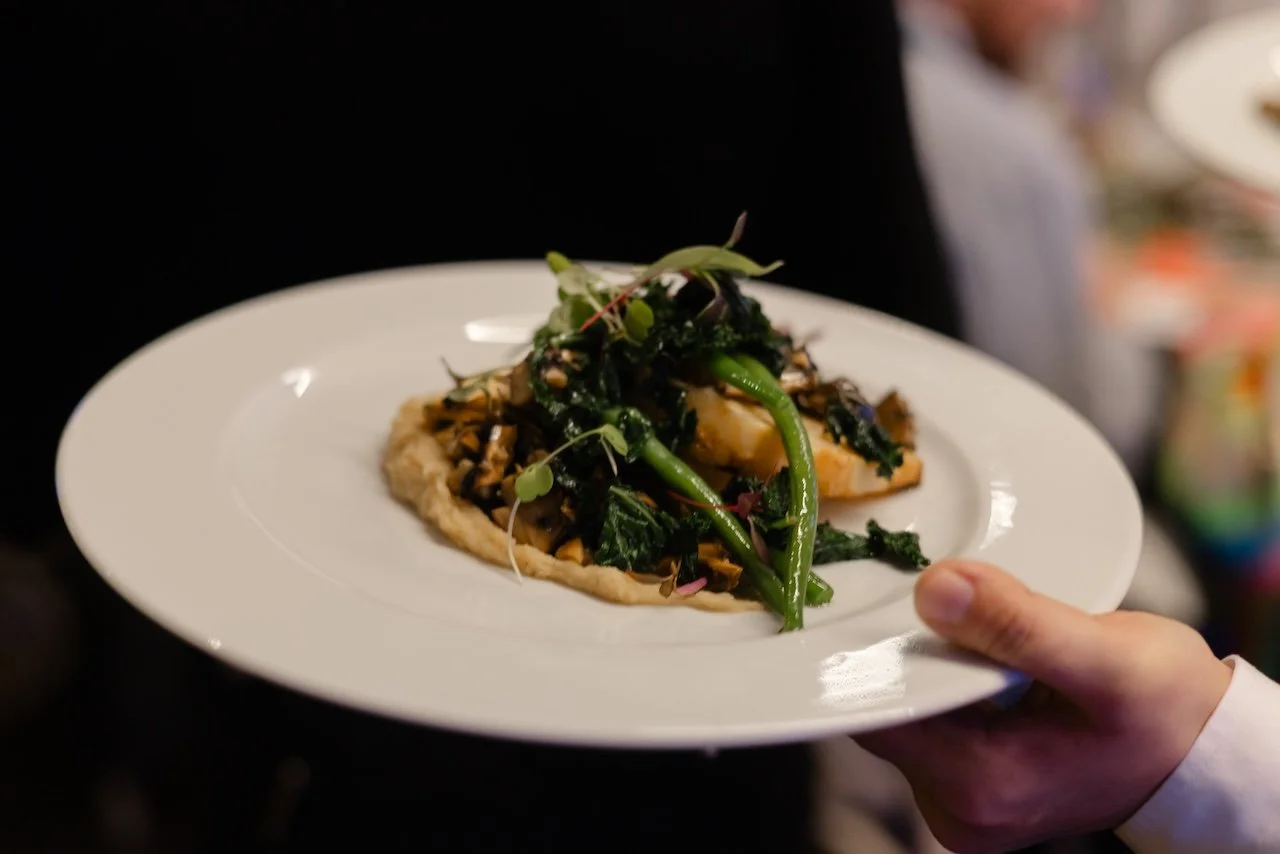
Roasted celeriac steak, white bean and parsnip puree, blanched kale, green beans and chanterelle fricassee
Mission in Action: Blue Earth Summit 2025
Pow Food’s partnership with the Blue Earth Summit brought its sustainability philosophy to life, translating nutrition-led, low-carbon principles into practice for over 4,000 delegates. The catering programme embodied transparency, regeneration, and innovation, delivering measurable results across sourcing, waste, and wellbeing.
Key Results:
>80% UK-sourced ingredients from regenerative farms
Zero single-use plastic through Notpla with compostable packaging
Significant reduction in food waste via circular menu design
1,400kg CO₂e offset with The Future Forest Company
73% of delegates reported improved focus and energy
62% said it inspired more sustainable eating habits at home
Each meal became a message, connecting biodiversity, wellbeing, and culture through food.
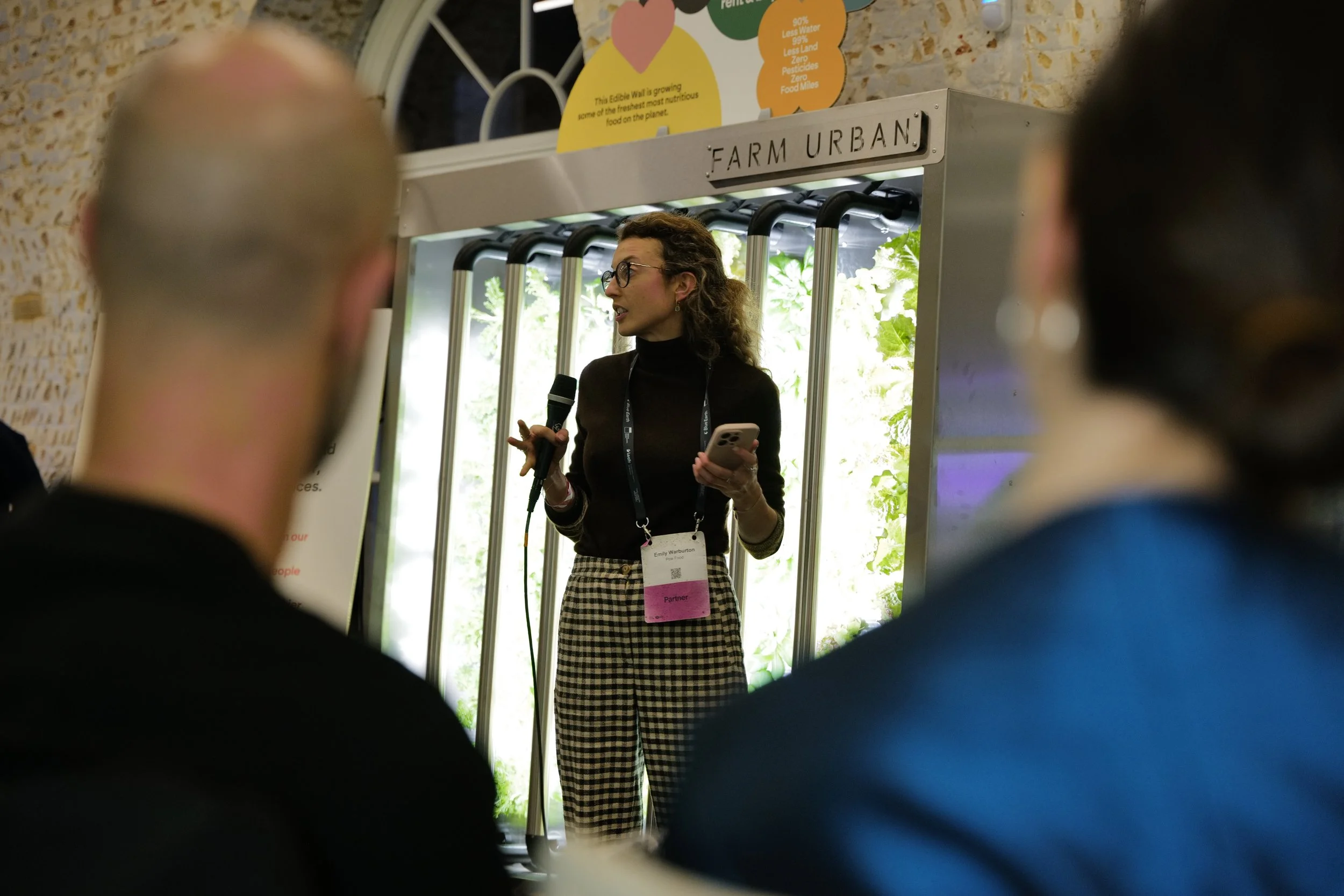
Emily Warburton-Adams, co founder, introducing a dinner
“The event industry has an extraordinary opportunity to lead by example. If we can show that large-scale catering can be regenerative, transparent, and inclusive, we don’t just feed delegates, we feed a new food culture.”
Ali Warburton, CEO and Founder, Pow Food
Service Levels: Carbon-Conscious, Culturally Diverse, Circular by Design
Four carbon-conscious food stations showcased how global flavours can thrive with local sourcing.
Highlights:
British-grown pulses from Hodmedod’s and seasonal produce from Langridge Organics
100% plant-based, fibre-rich dishes for gut and brain health
Circular menu planning to minimise waste
Allergen-inclusive recipes ensuring accessibility for all
Home compostable Notpla packaging eliminating single-use plastic
The VIP Lounge offered functional, plant-based meals and all-day snacks designed for focus, mood, and recovery.
Across four Leadership and Partner Dinners - including the Ecologi Leadership Dinner, BNP Paribas Afternoon Tea, Cazenove Capital “Leaders of Today & Tomorrow” Dinner, and Blue Earth Speaker Dinner, each menu told a story of provenance, biodiversity, and collaboration.
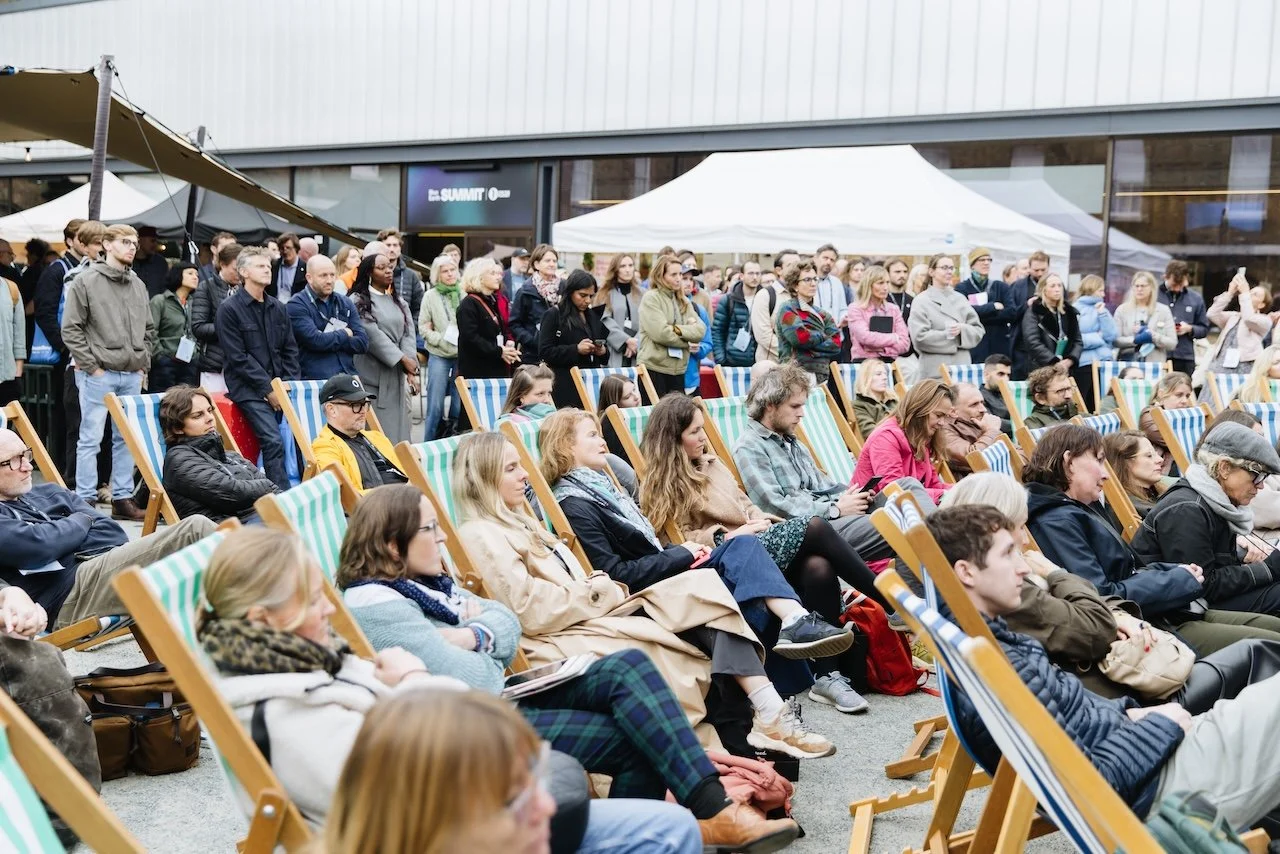
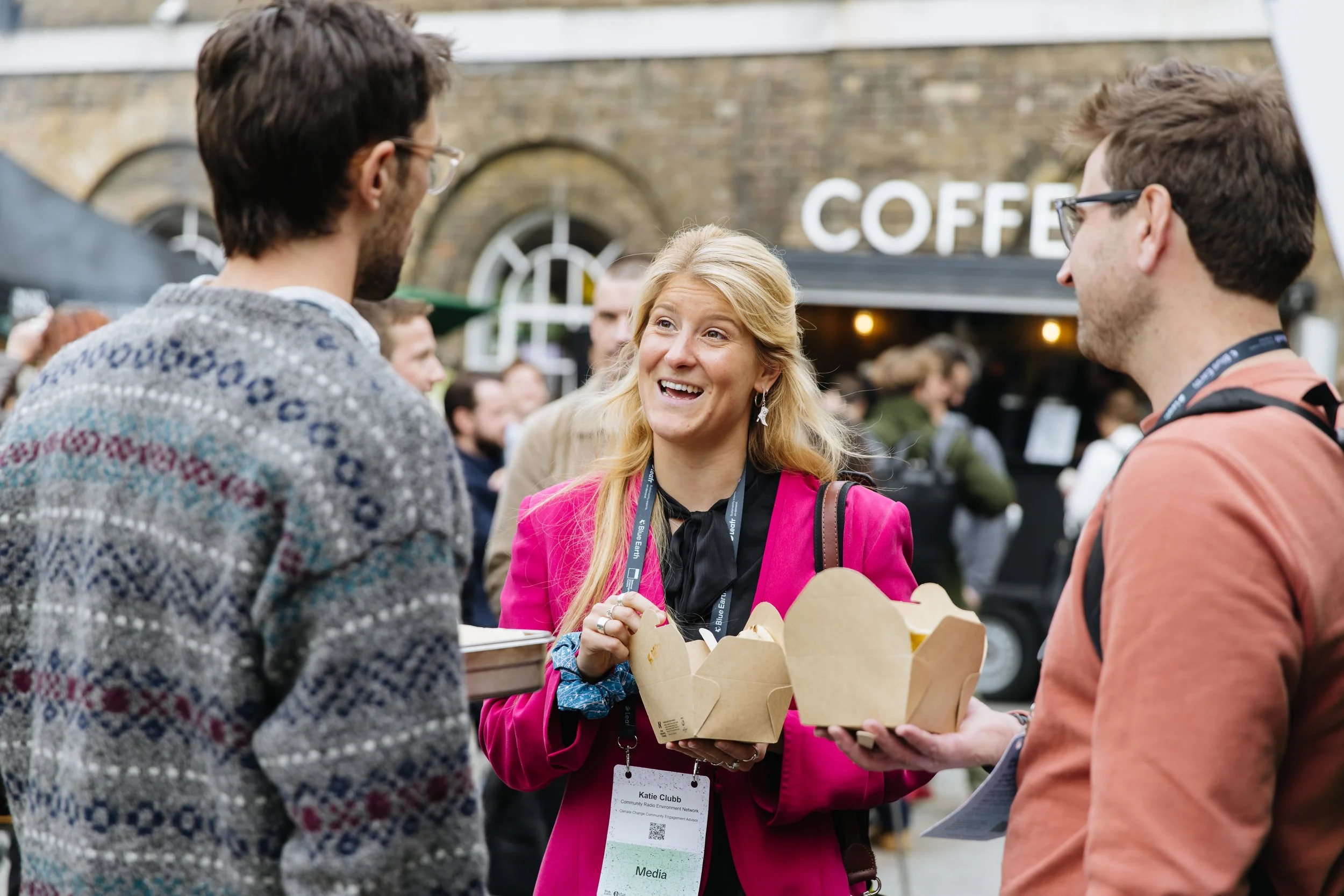
Delegates watching a panel in the courtyard at Blue Earth
“At Blue Earth, we proved that food can be one of the most powerful levers for change - nourishing delegates while modelling the systems we need for a healthier planet.”
Emily Warburton-Adams, Co-Founder, Pow Food
Culinary Collaboration: Circular Systems in Practice
Zero-waste chef and consultant Ali Honour worked alongside Pow Food’s team to embed circular kitchen practices. From transforming vegetable offcuts into sauces and stocks to refining prep systems, her guidance helped achieve a 32% reduction in food waste without compromising fine-dining quality.
Food for Focus: Nutrition as a Performance Tool
Pow Food’s menus were designed using functional nutrition principles to fuel energy, cognition, and resilience. Attendee surveys proved the link between what we eat and how we perform:
72% felt “much more productive” after a balanced lunch versus grab-and-go options.
85% prioritised sustainability in workplace catering.
79% said nutrition and wellbeing mattered most when choosing event food.
“Nutrition-led catering is the missing link in the corporate wellbeing puzzle.”
Clarissa Lenherr, Pow Food Nutritional Therapist
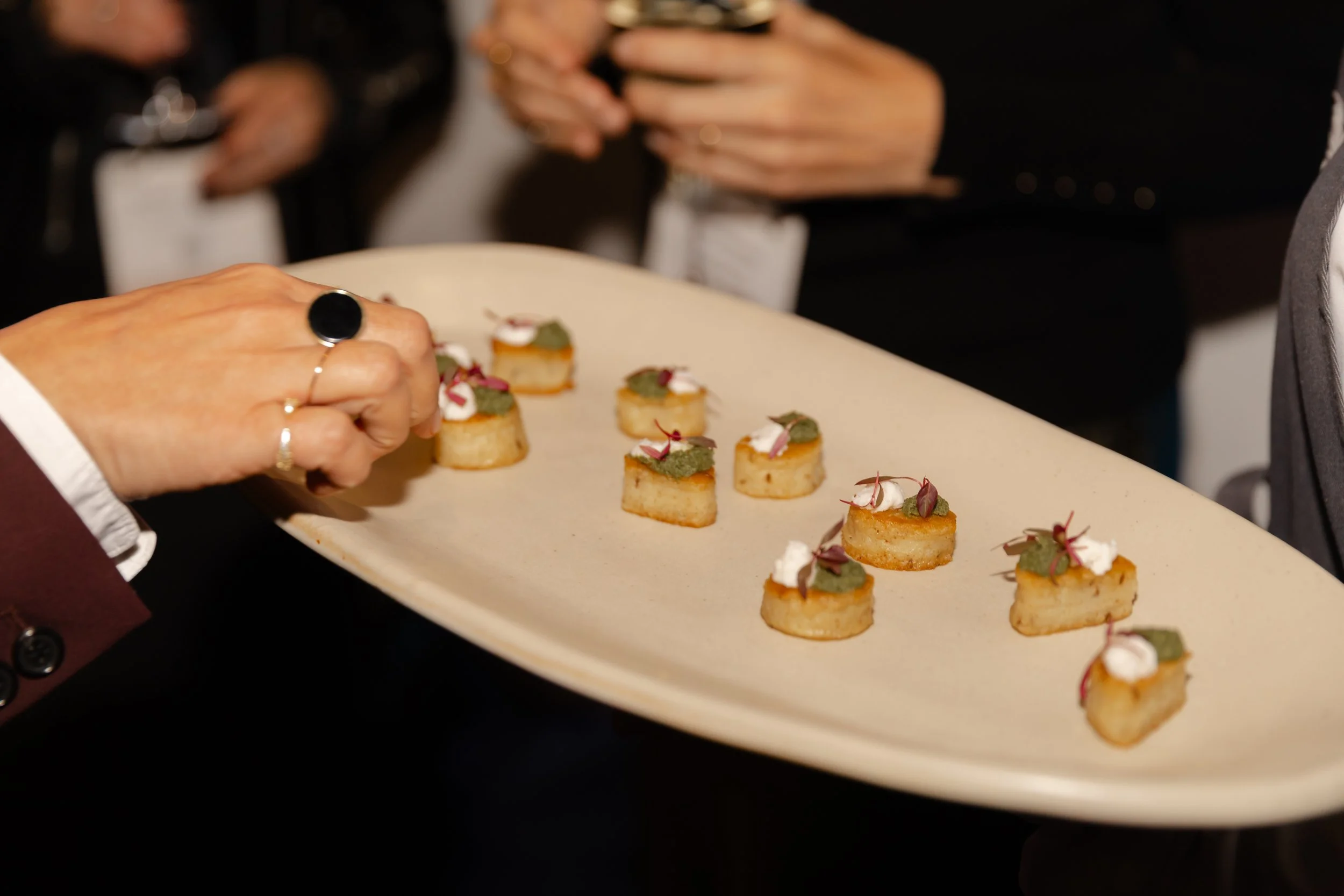
Vegan aloo tiki canapés for an evening reception at Blue Earth
From Summit to Workplace: Scaling Impact
The same model that transformed the Blue Earth Summit powers Pow Food’s workplace catering programmes across London, designed for teams of 50–200+.
Core Features:
Modular, low-carbon menus built around sustainable proteins and British seasonal produce
ESG and wellbeing tracking for measurable carbon and productivity impact
Education initiatives connecting employees with the story behind their food
Flexible service formats, from daily drop-off to on-site support
This approach allows companies to turn everyday catering into an engine for employee wellbeing and climate leadership, without compromising convenience or cost efficiency.
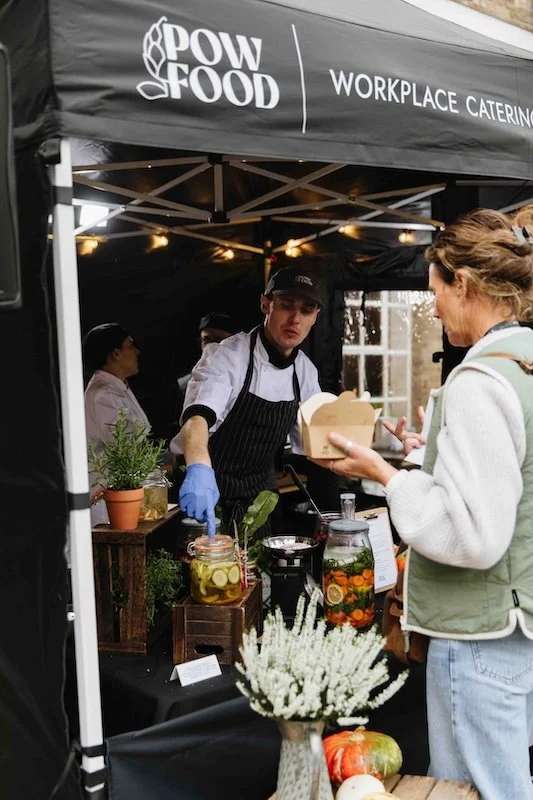
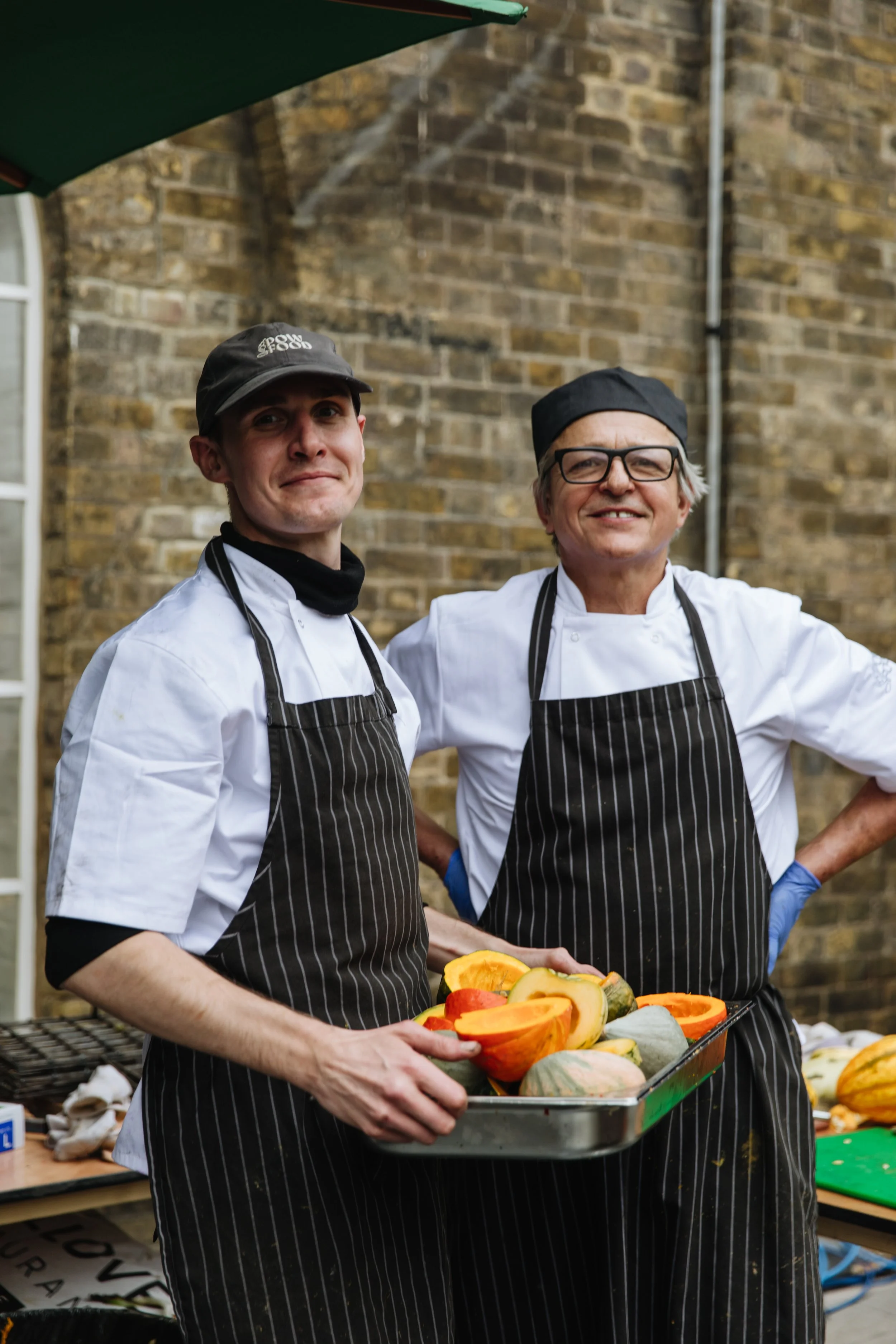
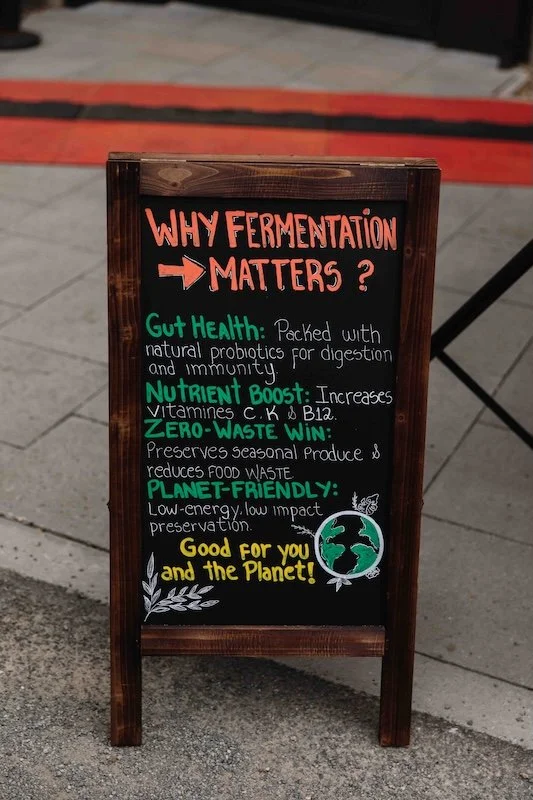
Chef Jack from Pow Food running a fermenting workshop
“We plan menus like ecosystems. Every ingredient has more than one life, leftovers become stocks, offcuts become sauces. True sustainability is circular, not linear.”
Charles, Pow Food Creative Head Chef
Actionable Insights: Building Sustainable Event Catering
Transforming event food systems demands structure, accountability, and collaboration. Drawing on lessons from the Blue Earth Summit, Pow Food identified six practical actions any organisation or caterer can adopt to create measurable sustainability impact:
Prioritise provenance and seasonality - Aim for 80–95% UK-sourced ingredients to cut emissions and support local economies.
Repurpose and redesign - Reuse ingredients across menus to eliminate waste.
Educate on balanced menus - Guide clients toward menus where plant-based dishes lead, reducing impact without compromise.
Choose materials with true end-of-life solutions - prioritise verified home-compostable or biodegradable packaging over commercially compostable alternatives.
Set measurable targets - Track waste, emissions, and sourcing data transparently.
Partner with innovators - Collaborate with suppliers and chefs trialling regenerative and circular systems.
These principles move event catering beyond box-ticking toward genuine, measurable impact across sourcing, waste, inclusion, and carbon performance.
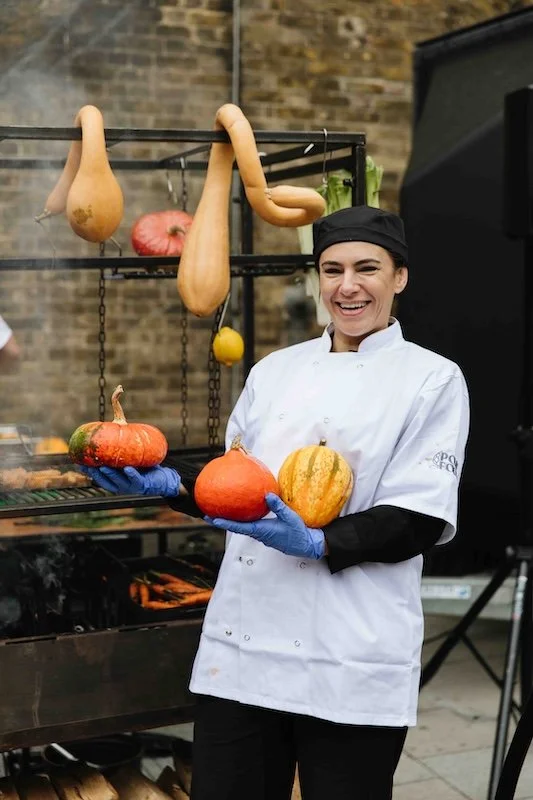
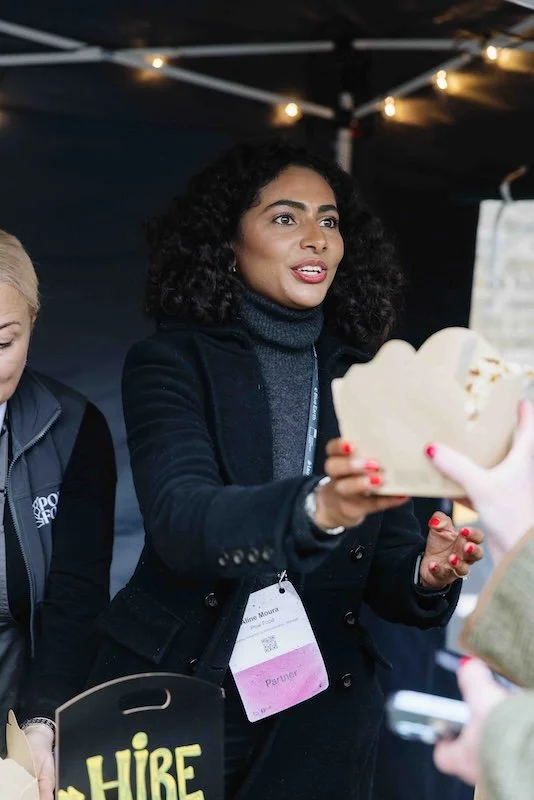
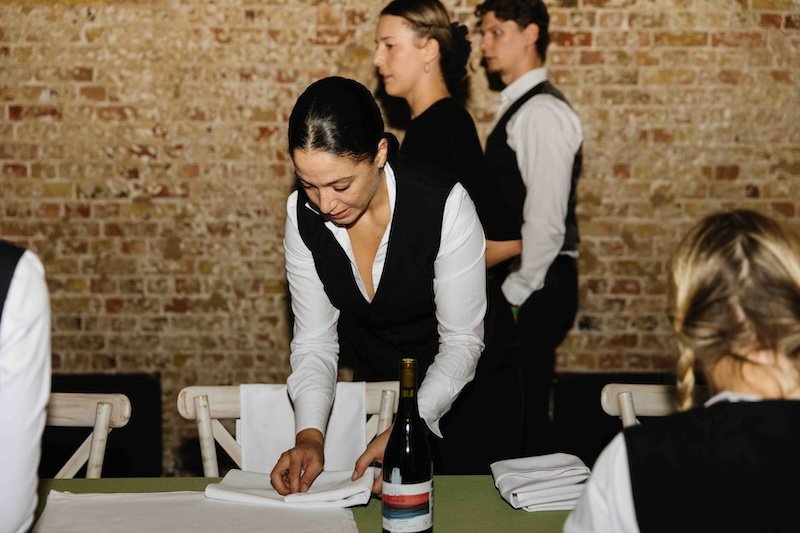
“Pow Food didn’t just feed our community, they helped bring it to life. Their creativity, care, and sustainability-first approach elevated the entire Summit experience.”
Linley Lewis, COO & Co Founder Blue Earth
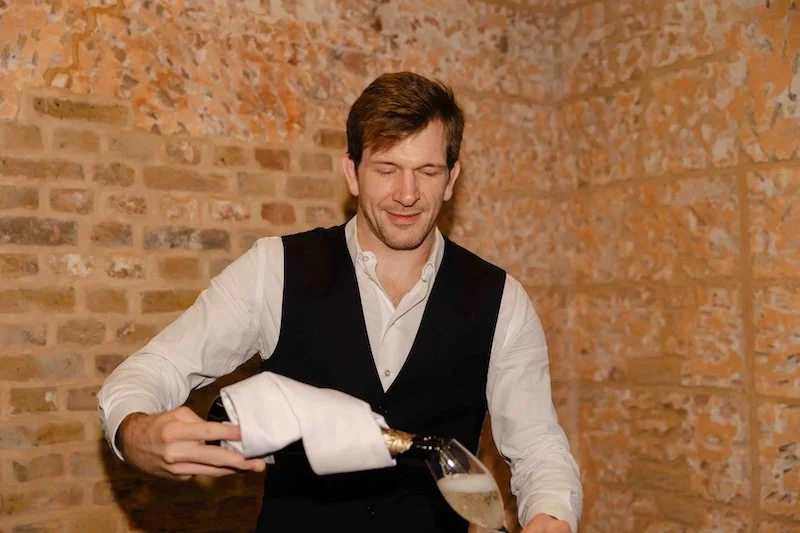
The Future of Food Service
The Blue Earth Summit proved that sustainable catering can deliver measurable results at scale. For workplaces and conferences alike, food is one of the most powerful levers for carbon reduction, collaboration, and culture change.
By aligning menu design, sourcing, and waste management with sustainability science, organisations can:
Cut catering emissions by up to 60% through plant-forward, carbon conscious menus
Improve focus and energy by over 70% through nutrition-led design
Support regenerative British agriculture and biodiversity
The future of food service lies in collaboration, between chefs, nutritionists, suppliers, and clients - to build systems that nourish people and the planet equally.

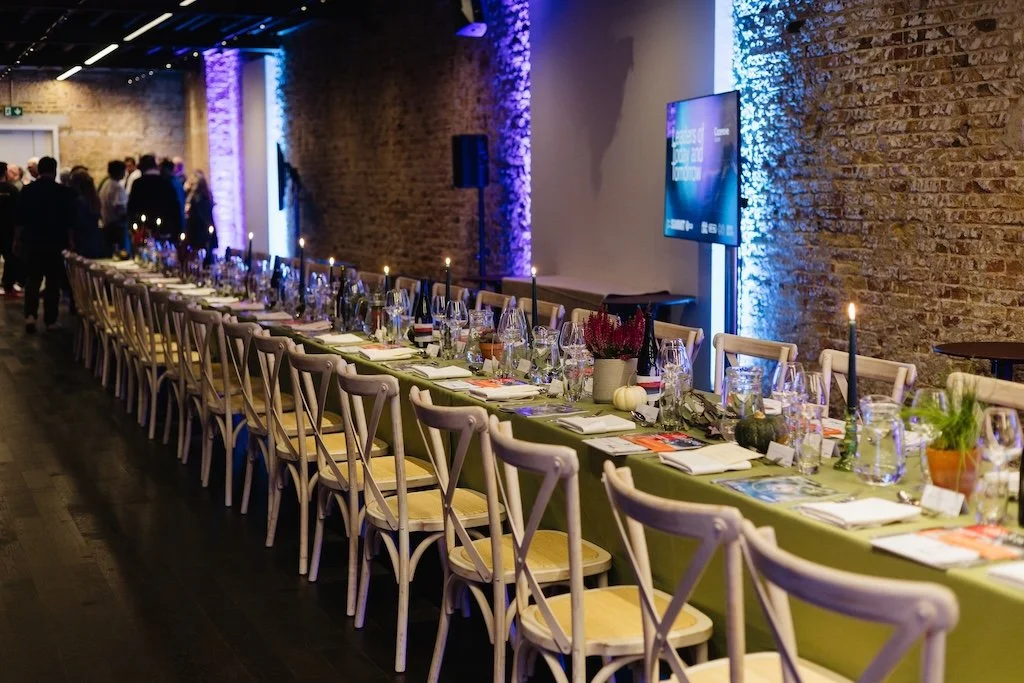
Leaders of today and tomorrow dinner, Blue Earth
Partner with London’s Leading Sustainable Caterer
The Blue Earth Summit was proof that food can drive climate action and human performance simultaneously. Pow Food now helps businesses across the UK deliver nutrition-led, carbon-conscious catering for workplaces, wellbeing days, and events.
Get in touch to bring real food - with real results - to your people.
www.powfood.co.uk / hello@powfood.co.uk
References
Department for Environment, Food and Rural Affairs (DEFRA) (2024) Agriculture in the United Kingdom 2024: Chapter 11 – Agri-environment. London: Department for Environment, Food and Rural Affairs. Available at: https://www.gov.uk/government/statistics/agriculture-in-the-united-kingdom-2024/chapter-11-agri-environment [Accessed 28 October 2025].
Department of Health and Social Care (DHSC) (2023) Media Centre: Department of Health and Social Care Blog.London: Department of Health and Social Care. Published June 2023. Available at: https://healthmedia.blog.gov.uk [Accessed 28 October 2025].
Bhardwaj, R. L., Kaushik, R., Kumar, R. and Kumar, P. (2024) ‘An alarming decline in the nutritional quality of foods: the biggest challenge for future generations’ health’, Foods (Basel), 13(6), p. 877. doi: 10.3390/foods13060877.